
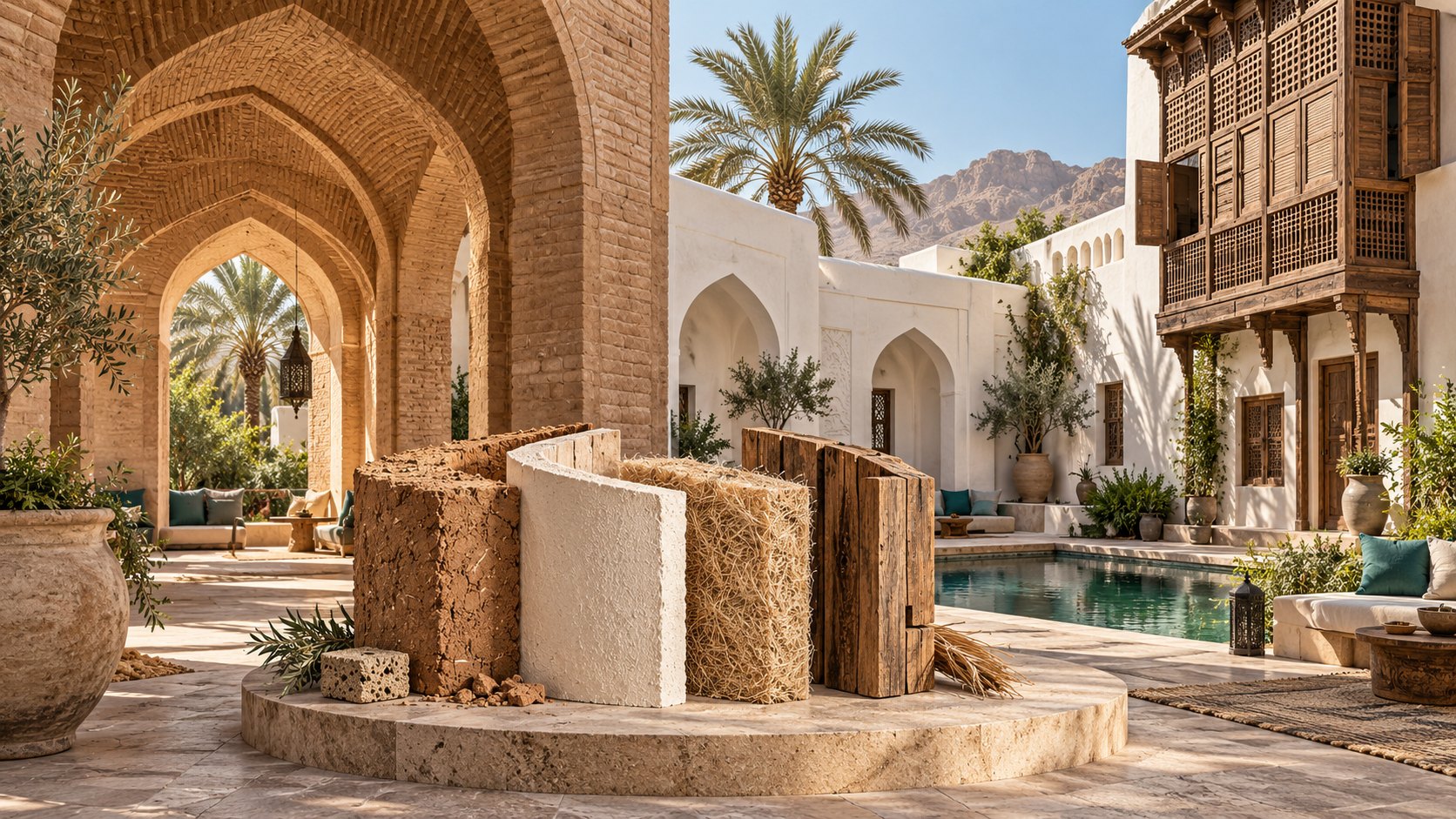
This research project investigated how historic buildings could be retrofitted using bio-based materials and circular-economy principles while respecting their cultural character.
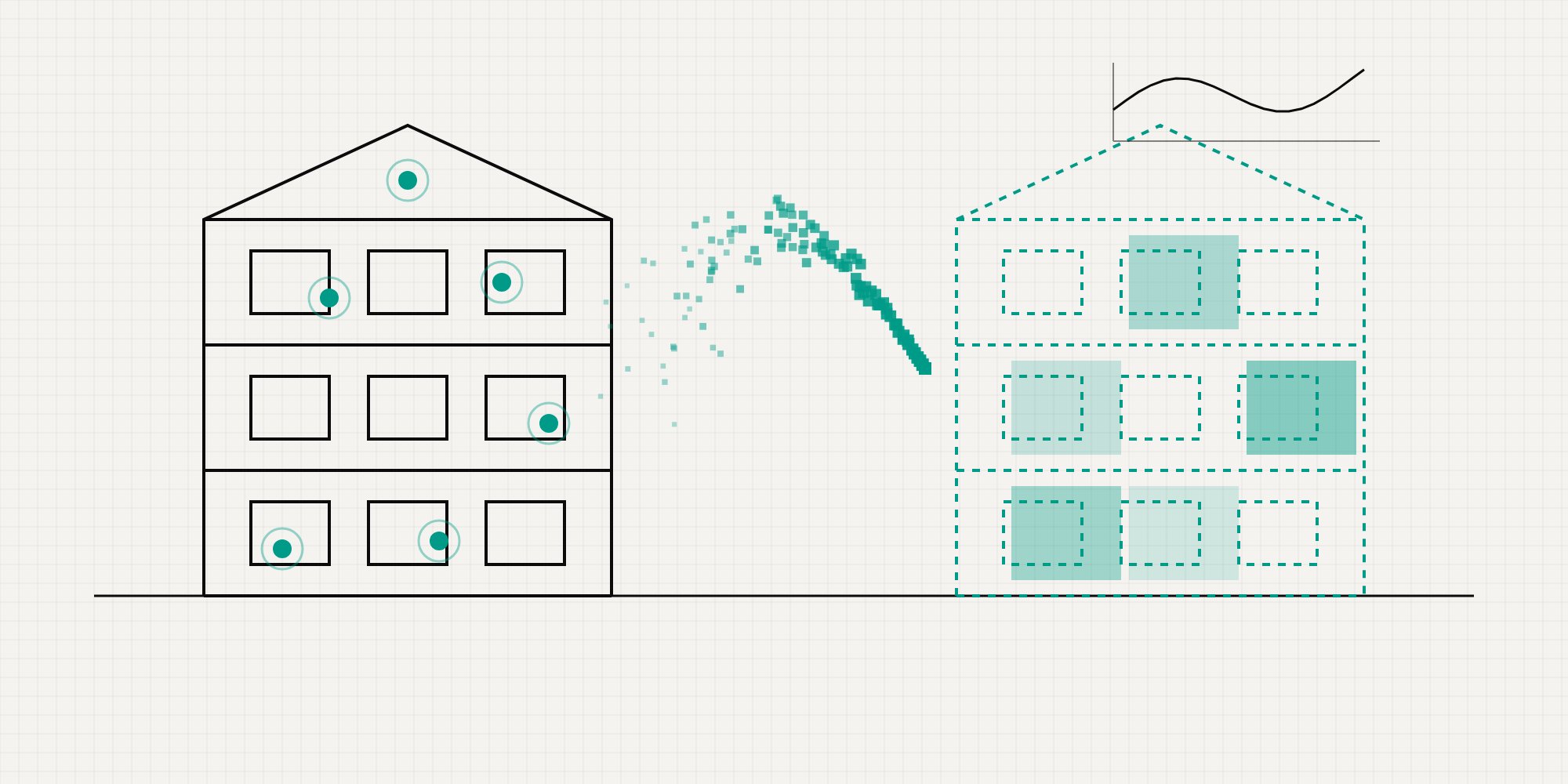
The research team assessed three heritage case studies using life-cycle assessment, material circularity evaluation, multi-criteria decision analysis, and artificial neural-network modelling. Traditional, bio-based, and circular-optimised scenarios were compared across environmental impact, cost, circularity, and heritage compatibility.
Within the modelled scenarios, circular-optimised approaches achieved strong overall performance. The study offers a framework for evaluating material and retrofit choices, while recognising that results depend on the data and assumptions used and require further validation in real projects.