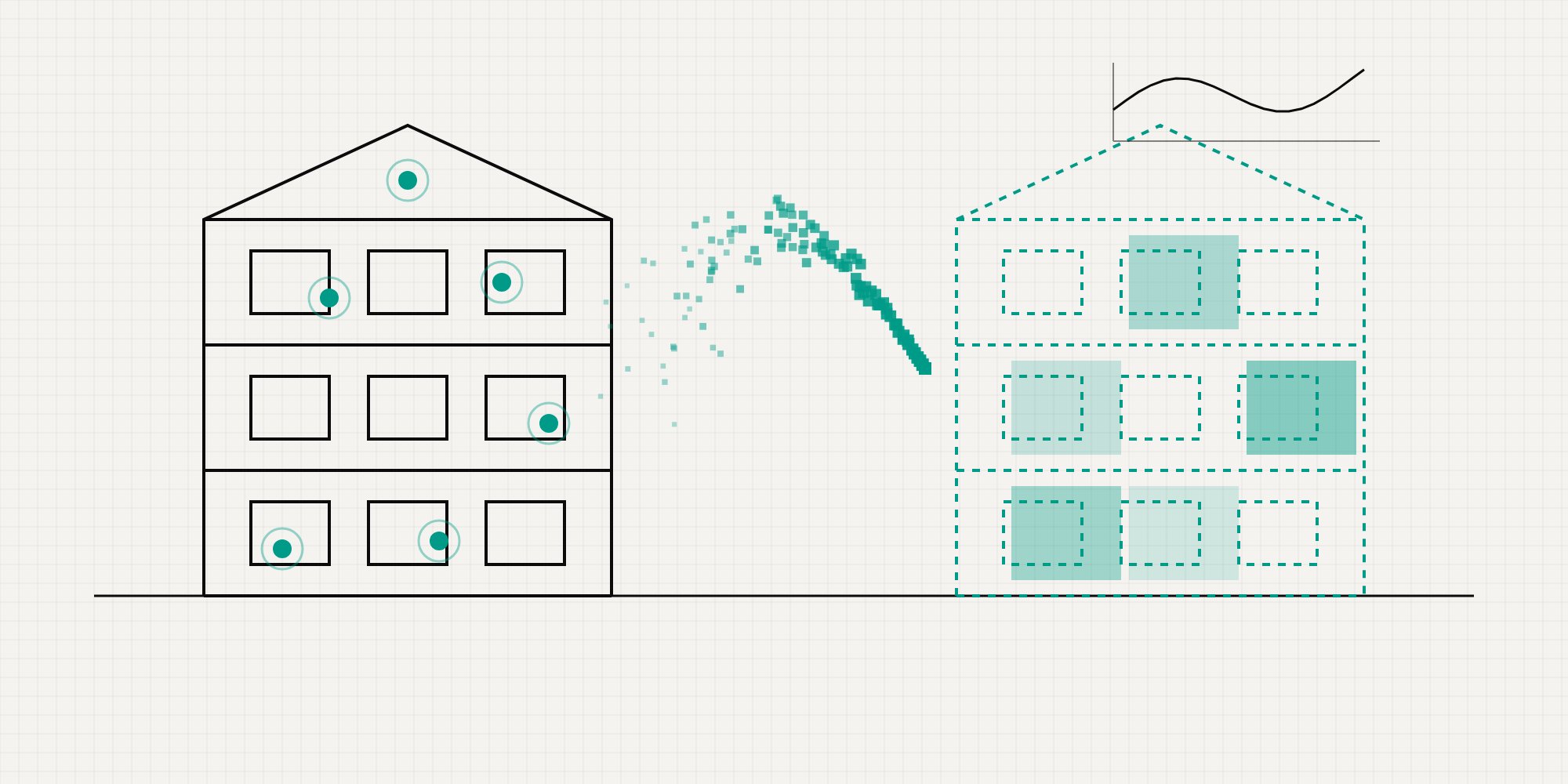

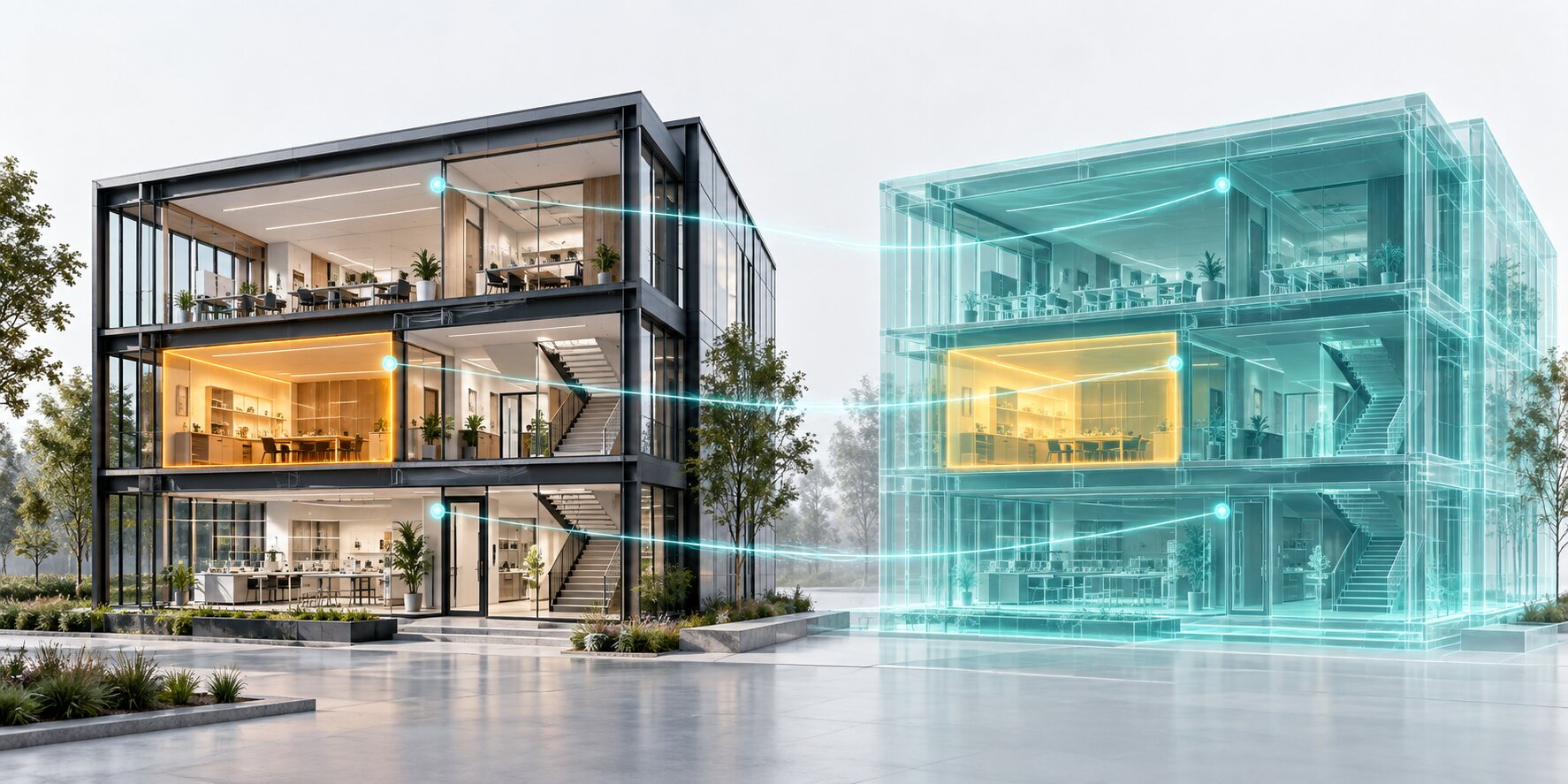
This research project investigated how digital twins can help identify indoor environmental risks before they become critical. The objective was to develop a framework that could move beyond displaying sensor readings to predicting potential overheating and explaining the factors behind those predictions.
The work used an open-access dataset collected from five IoT sensor nodes, bringing together temperature, air quality, sound, lighting, proximity, and time-related information. The research process included data preparation, feature development, and the comparison of five machine learning models for predicting future overheating risk.
A central part of the project was making the predictions understandable. Explainable artificial intelligence was used to examine how different environmental variables influenced the results, while clustering helped identify distinct patterns of indoor environmental risk.
The outcome was a computational framework combining sensor data, predictive modelling, and interpretable analysis. Evaluated using existing monitoring data, the project provides a foundation for future digital twin applications that could support early warnings, targeted interventions, and more informed building operation.
By connecting environmental conditions with understandable predictive information, the research contributes towards healthier indoor spaces and more proactive building management.